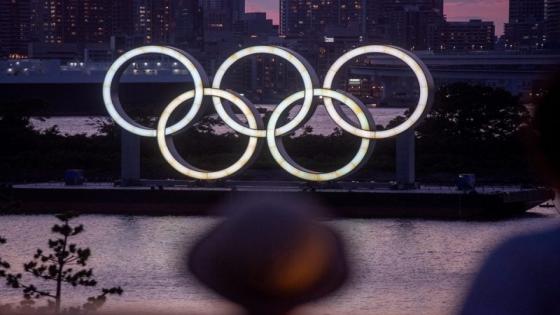
The 2024 Paris Olympic Games are set to begin on July 26th, but France faces a hefty bill for hosting, estimated at nearly 9 billion euros ($9.5 billion).
This significant cost has sparked debate, with officials grappling to understand the true financial impact.
Predicting the exact cost is complicated, as the organizing committee boasts a 4.4 billion euro budget, but additional expenses like security and potential cost overruns remain unaccounted for.
The final bill could easily inflate to 9 billion euros or even higher. Therefore, this financial burden is concerning, especially compared to previous Olympics like Tokyo’s $12.9 billion price tag.
The French government aims to minimize public spending by collaborating with organizers to secure most funding from private sources. This includes revenue from the International Olympic Committee (IOC) through television rights and partnerships, alongside private sponsorships and ticket sales. However, these efforts may not fully offset rising costs.
While the financial burden is undeniable, some argue for long-term economic benefits.
The Centre for Law and Economy of Sport predicts economic advantages for the Paris region ranging from €6.7 billion to €11.1 billion over the next 20 years. Others estimate a more immediate impact through increased tax revenue.
Nevertheless, skeptics caution that Olympic hosting rarely delivers a positive economic return. They argue that massive investments in infrastructure often fail to translate into long-term benefits.
The Governor of the Bank of France acknowledges the Games’ potential for a “psychological” impact by enhancing France’s global image, which could ultimately attract new investments.
Despite the uncertainties, some sectors are already reaping the rewards: Companies linked to construction and infrastructure projects are experiencing a revenue boost. Additionally, tourism is expected to flourish with the influx of visitors, potentially generating billions in revenue.
The true financial impact of the Paris 2024 Olympics remains to be seen. While short-term gains are evident, the long-term economic benefits are less clear. France is taking a multibillion-euro gamble, hoping that the prestige of hosting the Games will translate into lasting economic prosperity.